Black Hills Housing Financial Advisory
Renting vs. Buying in Rapid City SD: Which Is Right for You?
By The Kahler Team. Analyzing monthly lease averages, mortgage outlays, Ellsworth AFB BAH benefits, South Dakota tax immunities, and long-term equity accumulation across Pennington County.
Rent vs. Buy Financial Summary
Evaluating renting versus buying in Rapid City, SD (Pennington County) comes down to long-term equity accumulation vs. short-term mobility. Rapid City apartment leases average $1,319 per month, while single-family home listing baselines average $411,400. While 38% of households rent, 45% of renter households face cost-burden strain compared to only 21% of homeowners. South Dakota's 0% state personal income tax, VA loan zero-down options for Ellsworth AFB personnel, and a 1.1% to 1.3% average property tax bracket make homeownership the premier wealth-building vehicle for stays exceeding three to five years as of 2026.
Undecided Between Renting or Buying?
Compare Local Lease vs. Mortgage Scenarios with The Kahler Team
Our team provides customized break-even analyses factoring in current mortgage rates, local property taxes, Ellsworth AFB BAH allowances, and 5-year equity forecasts across the Black Hills.
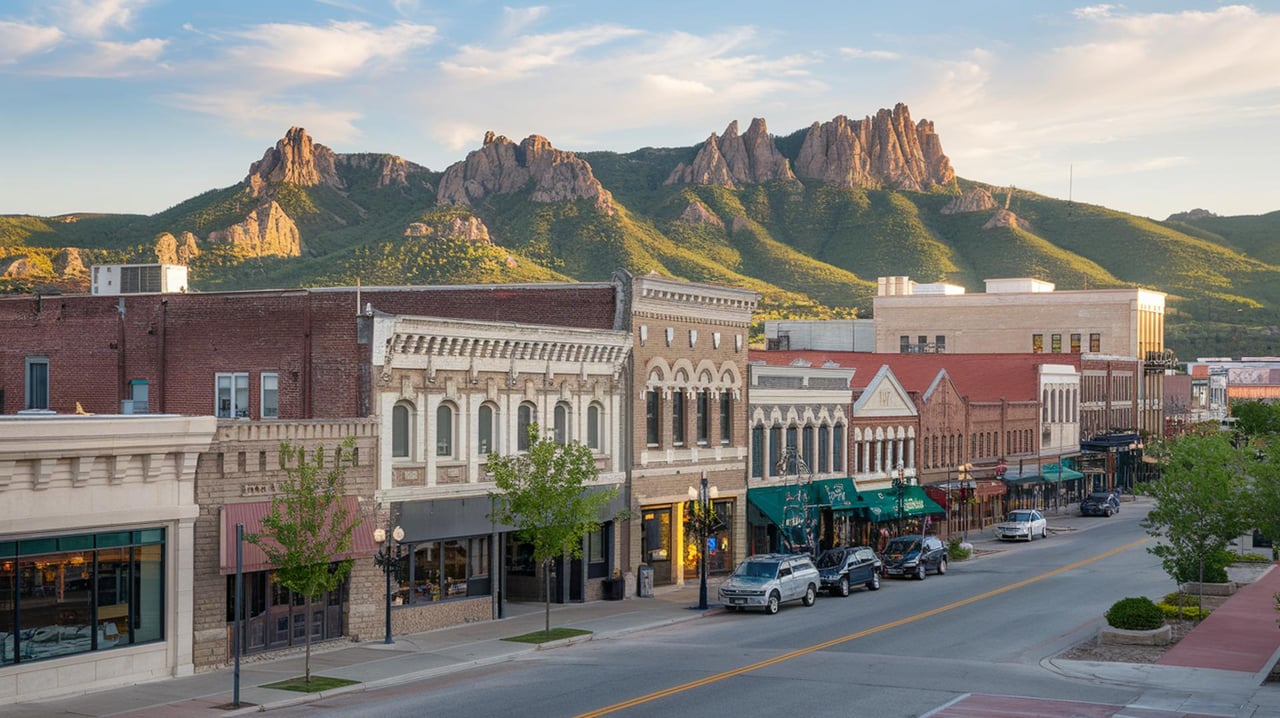
Choosing between renting and buying a home is a major financial milestone, especially in a growing regional hub like Rapid City, SD. Known for its gateway access to the Black Hills, vibrant downtown core, and military presence near Ellsworth Air Force Base, Rapid City offers a distinct mix of housing choices.
Whether you are drawn to the historic architecture of the West Boulevard district, modern suburban subdivisions in East Rapid City, or acreage near Box Elder, understanding the financial nuances of renting versus buying helps you make a confident decision aligned with your personal goals.
Rapid City Rent vs. Own Financial Matrix
Comparative breakdown of upfront capital requirements, monthly outlay structures, maintenance rules, and wealth accumulation tracks for renting vs. homeownership in Rapid City.
Strategy Path | Upfront Capital Demands | Monthly Outlay Composition | Maintenance & Upkeep Rules | Wealth Accumulation Track |
|---|---|---|---|---|
Renting Houses & Apartments | Low initial capital; restricted to security deposit and first month's lease outlay. | Fixed monthly rent; tenant insurance (~$15-$25/mo); no direct property tax bill. | Hands-off; structural repairs, appliances, and lawn care handled by landlord. | Zero equity accumulation; 100% exposure to annual lease rate inflation adjustments. |
Owning Residential Property | 3% to 20% down payment (or 0% VA loan for military); closing costs (~2%-3%). | Principal and interest mortgage payment; property taxes (1.1%-1.3%); hazard insurance. | Full homeowner responsibility; seasonal maintenance, HVAC care, and roof repairs. | 100% exposure to long-term property appreciation; mortgage amortization acts as forced savings. |
Financial & Tax Considerations: Renting vs. Buying
1. Upfront & Ongoing Outlays
Buying a home in Rapid City requires down payment capital, settlement closing fees, and recurring property taxes. However, renting carries recurring monthly rent payments with no return on investment. Assessing your capital reserves determines whether buying or renting fits your current timeline.
2. South Dakota Tax Immunities
South Dakota levies zero state personal income tax. For homeowners, federal itemized deductions for primary mortgage interest and local real estate taxes provide additional tax efficiency, making property ownership highly advantageous for higher earners.
3. Rent Inflation vs. Fixed Mortgages
Local housing studies reveal that 45% of Rapid City renter households experience moderate to severe cost strain compared to only 21% of homeowners. A fixed-rate mortgage protects your primary housing payment against annual rent inflation.
4. Equity & Long-Term Net Worth
Every monthly mortgage payment reduces loan principal while building long-term equity. Over a 5-year to 10-year holding period, property appreciation across the Black Hills transforms housing outlays into substantial net worth assets.
Lifestyle, Maintenance, & Military Relocation Factors
Beyond financial spreadsheets, lifestyle flexibility and maintenance preferences play a central role in your decision:
Ellsworth AFB Military Relocation (BAH Optimization)
For military families stationed at Ellsworth AFB, the B-21 Raider expansion continues to drive demand across Box Elder and East Rapid City. Utilizing VA home loan zero-down financing allows service members to redirect Basic Allowance for Housing (BAH) into property equity rather than non-refundable lease payments during a 3-to-4-year tour.
Maintenance & Upkeep Responsibilities
Rapid City experiences full four-season weather, including freezing Black Hills winter temperatures and snowfall. Homeowners manage snow removal, roof inspections, and HVAC servicing (budgeting 1% to 2% of home value annually). Renters benefit from landlord-handled maintenance, ideal for short-term residents or those preferring hands-off living.
Making the Right Choice for Your Future
Deciding between renting and buying in Rapid City depends on your personal timeline, financial reserves, and long-term goals. Whether you value the short-term flexibility of renting or the wealth-building power of homeownership, having accurate local data makes all the difference.
Ready to explore your options across Rapid City and Pennington County? Contact The Kahler Team today for a personalized housing market consultation.
About The Kahler Team
The Kahler Team is a top-producing Black Hills real estate agency led by Jeremy Kahler and David Kahler, representing home buyers, sellers, renters, and military relocation clients across Rapid City, Box Elder, Ellsworth AFB, Spearfish, Hill City, Custer, and Piedmont, South Dakota.
Financial Guidance: Our team provides clients with detailed rent vs. buy break-even analyses, property tax projections, and military VA loan qualification guidance across Pennington and Meade counties.
Related Rapid City & Black Hills Real Estate Resources
Frequently Asked Questions About Housing Paths
What is the average monthly cost of renting an apartment in Rapid City?
The baseline rental outlay for multi-family units in Rapid City averages approximately $1,319 per month, while single-family home leases range higher depending on square footage, bedroom count, and location.
What are the typical tax benefits of buying a house in South Dakota?
While South Dakota levies zero personal state income tax, homeowners can claim federal itemized tax deductions for primary mortgage interest and local real estate property taxes.
How much capital should a buyer budget for annual home maintenance in Pennington County?
A standard industry guideline is to budget 1% to 2% of the total property valuation annually to cover mechanical maintenance, exterior landscaping, and seasonal Black Hills winter weather preparation.
Does renting insulate tenants from local housing market changes?
Renting shields tenants from property value drops, but exposes households to annual lease rate increases and rent inflation, whereas a fixed-rate mortgage locks in primary housing costs.
How large is the down payment required for a standard Rapid City mortgage?
Conventional home loans require down payments ranging from 3% to 20% of the purchase price, whereas eligible military personnel stationed at Ellsworth AFB can secure zero-down VA home loans.
Explore Strategic Real Estate Solutions
Connect with the real estate advisors at The Kahler Team to build a personalized rent vs. buy financial model tailored to your Black Hills housing goals.