Looking for a place where your weekends can feel like a true getaway? Custer offers that kind of appeal, with quick access to scenic drives, trails, wildlife, and some of the Black Hills’ best outdoor experiences. But a vacation home here works best when it fits how you actually want to spend your time, budget, and energy. If you are wondering whether buying in Custer makes sense for your lifestyle, this guide will help you weigh the pros, tradeoffs, and practical details. Let’s dive in.
Why Custer Draws Vacation-Home Buyers
Custer is built around outdoor access. Custer State Park covers 71,000 acres and includes hiking, biking, fishing, swimming, horseback riding, snowshoeing, camping, and rock climbing, along with visitor programming throughout the year. The surrounding Black Hills National Forest adds an even larger recreation network with trails, camping, water activities, winter sports, and OHV access.
That setting gives Custer a very different feel from a typical second-home destination. Custer County had 8,318 residents in the 2020 Census, so the area feels small, rural, and centered on public-land access rather than suburban convenience. For many buyers, that is exactly the point.
Custer also sees major tourism peaks during certain events and seasons. For example, Custer State Park notes that the Buffalo Roundup can bring in more than 20,000 spectators. If you enjoy the energy of a destination area, that can be a plus. If you want complete quiet during every visit, it is something to plan around.
Who a Custer Vacation Home Fits Best
A vacation home in Custer usually makes the most sense if you expect to use it often. This is not the kind of place most buyers choose just to visit once or twice a year. The value tends to be much clearer when you want regular access to trails, scenic drives, and the outdoor lifestyle that makes the area special.
It is often a strong fit if you are looking for:
- Frequent weekend or seasonal visits
- Easy access to hiking, biking, and public lands
- A home base for wildlife viewing and outdoor recreation
- More privacy and rural character than an urban second home offers
- A long-term lifestyle purchase rather than a purely rental-driven buy
It may be a weaker fit if your priority is a highly turnkey property with minimal upkeep. It can also be less ideal if you are counting on short-term rental income before confirming exactly what local rules allow.
Seasonality Matters More Than You May Think
Custer is a four-season market, and that matters when you are deciding how often you will really use the property. NOAA climate normals for Custer County Airport show January mean temperatures around 25.1°F and July around 66.5°F, with annual precipitation around 19.75 inches. In simple terms, summer is the easiest season for trail use and road trips, while winter adds snow, cold, and more maintenance responsibilities.
Access can also change with the season. Needles Highway closes with the first snow and does not reopen until April 1 or later depending on conditions. Custer State Park also notes that scenic drives may close because of weather or hazards, and some water systems and amenities can be shut down from October 1 through April 30.
That does not mean winter ownership is a bad idea. It simply means you should be realistic about how weather affects travel, property checks, and the type of experience you want from a second home.
Wildlife and Outdoor Living Are Part of Ownership
In Custer, nature is not just part of the view. It is part of daily life. Custer State Park says visitors should stay in their vehicle or keep at least 100 yards away from bison, elk, and other wildlife, and the park’s bison herd is nearly 1,400 animals.
For many buyers, that is one of the biggest reasons to own here. You get scenery, wildlife viewing, and a setting that feels connected to the landscape. At the same time, if you want a low-interaction residential environment with fewer rural considerations, this may not be your best match.
What Property Types You Will Find Around Custer
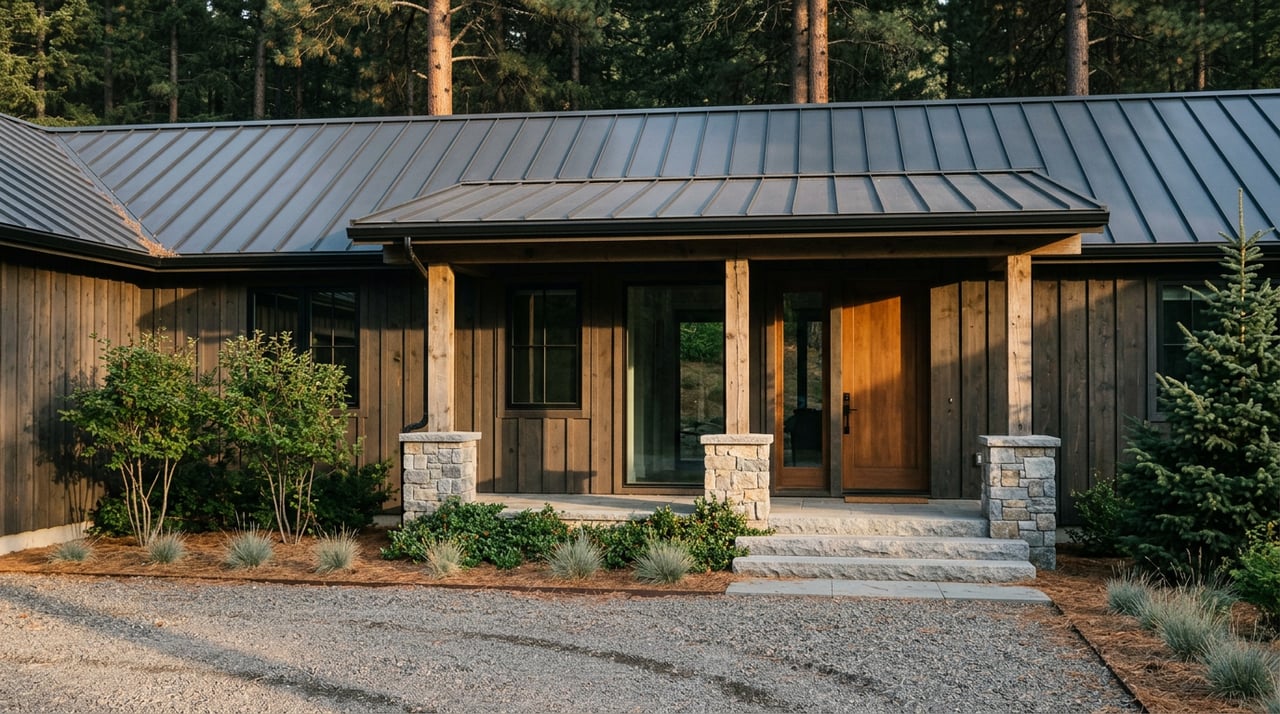
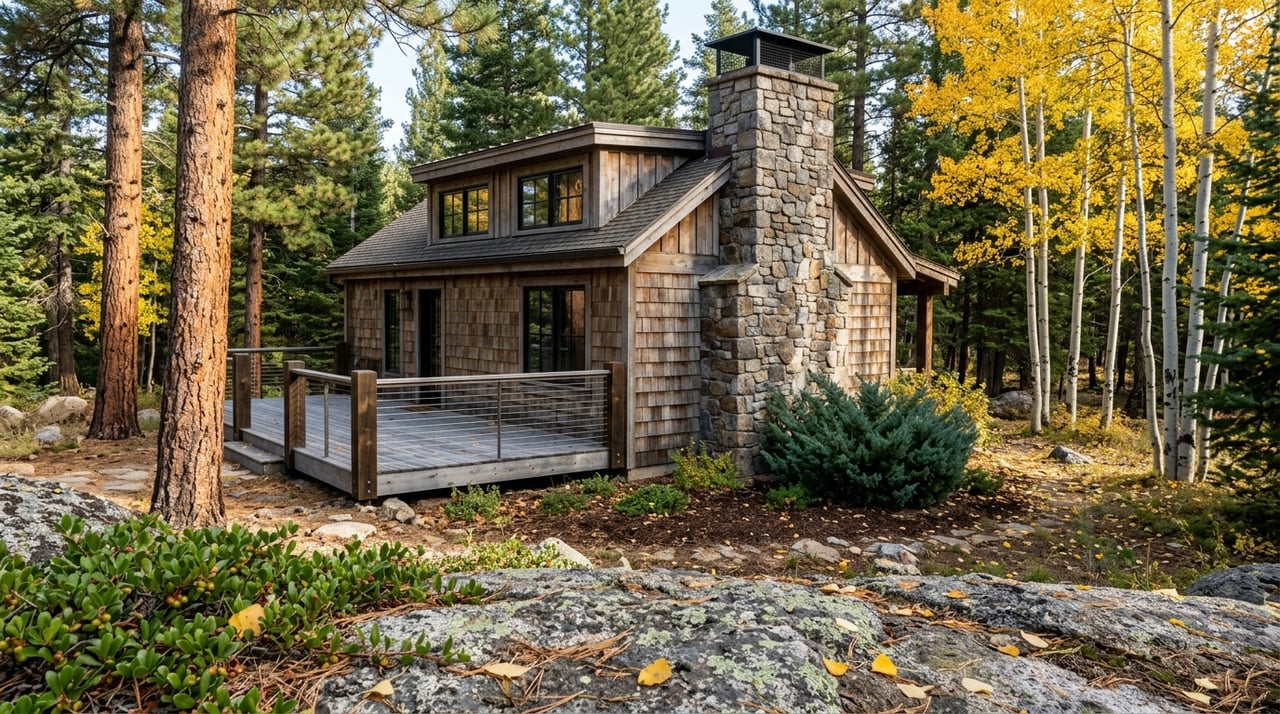
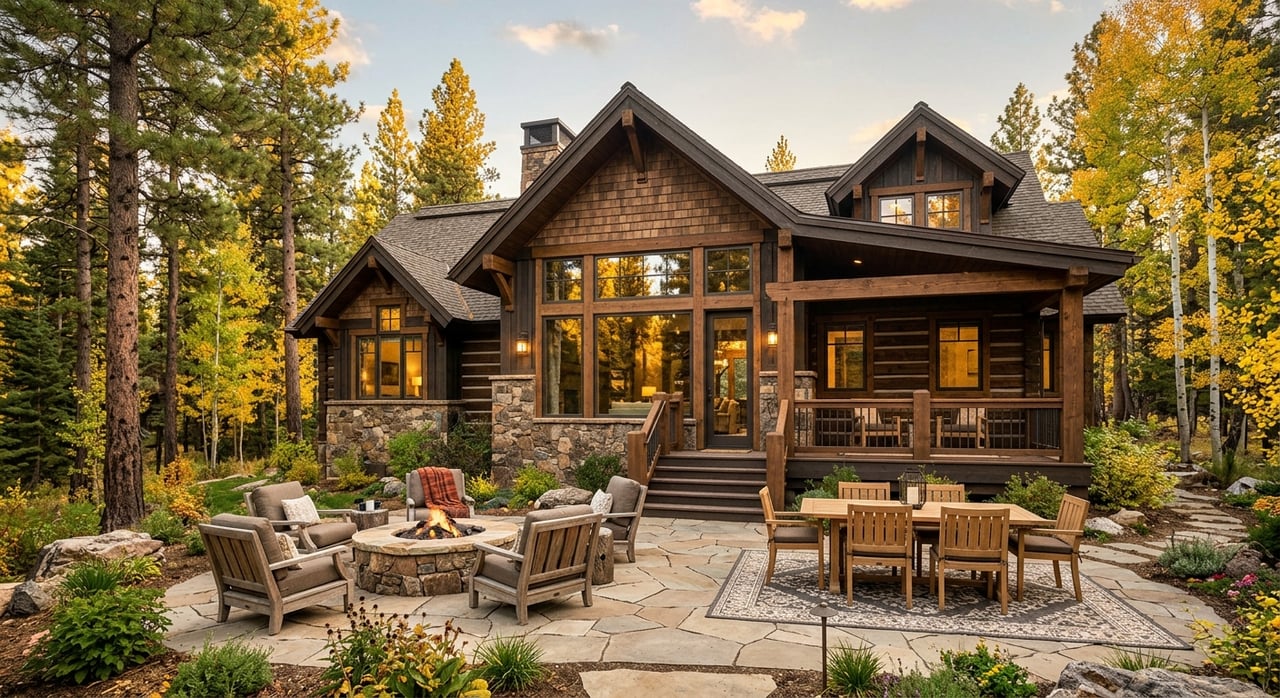
Buyers looking in and around Custer often find a broad mix of property styles. The local market commonly includes log cabins, custom cabins, single-family homes on small acreage, manufactured homes on larger parcels, and buildable lots. In a recreation-focused area, it is also common to see features like wells, septic systems, propane, RV hookups, wooded land, and homes near public land access.
One of the biggest choices is often in-town convenience versus out-of-town privacy. City materials suggest that in-city properties are more likely to follow a traditional residential pattern. Acreage properties often offer more elbow room, but they can also mean more land management, greater distance from services, and more variation in utilities and infrastructure.
If you are deciding between the two, it helps to think about how you will actually use the home:
- Do you want simpler access to town services?
- Do you prefer wooded privacy and larger land parcels?
- Are you comfortable managing rural systems like wells, septic, and propane?
- Will you visit enough to stay on top of seasonal upkeep?
Rental Plans Need Extra Research Up Front
Some buyers look at a Custer vacation home as both a personal retreat and a potential income property. That can work in some cases, but the details matter. You should confirm local rules before making assumptions about short-term rental use.
Within the city, Custer city code defines a short-term rental as lodging for fewer than 30 consecutive days. In the residential zone, only hosted short-term rentals are permitted, which means the owner must be physically present during rental nights. The code also prohibits short-term rentals in the residential district if they do not meet that hosted definition.
Outside city limits, Custer County states that there is currently no zoning or building code, although land-use rules such as Ordinance #2 still apply. That is why one of the first questions to answer is whether a property is inside city limits or in unincorporated county land. The answer can affect how you evaluate the property from day one.
Costs to Think About Beyond the Purchase Price
Even in a state with tax advantages, owning a second home comes with ongoing costs. South Dakota does not have a state income tax, but that does not eliminate the carrying costs tied to a vacation property. Property taxes, insurance, utilities, maintenance, and repairs still need to fit your budget, and Custer also has a 2.00% municipal sales tax.
If you plan to rent the home at all, the tax side becomes more complex. The IRS guidance on second homes and vacation homes explains that mortgage interest may be deductible on a second home, but mixed personal and rental use can trigger different rules. Your personal-use days and rental-use days can affect how the property is treated, so this is a smart conversation to have with a tax professional before you count on any projected income.
Maintenance Is a Bigger Deal in Rural Recreation Markets
A Custer vacation home can be wonderful, but it is rarely a zero-maintenance purchase. Rural properties often require more planning, especially if the home will sit empty between visits. Seasonal weather, vegetation, and distance from services all shape the ownership experience.
Wildfire preparedness is a major example. The Black Hills National Forest fire information page says the primary fire season runs from May through October, with an average of 92 wildfires a year over the last 30 years. It also recommends defensible-space steps like clearing debris and thinning vegetation around homes.
If the property will be vacant part of the year, local support matters. Custer County’s Home Check Program offers periodic exterior checks for residential properties left unoccupied for at least three weeks and up to nine months, though the program does not apply to rental properties. That kind of resource can be helpful if you are using the home personally and want extra peace of mind while you are away.
Questions to Ask Yourself Before You Buy
Before you move forward, it helps to be honest about how you want this home to function in your life. A vacation home can be a great fit when it supports your habits and goals, not just your wish list.
Ask yourself:
- How many times per year will you realistically visit?
- Do you enjoy outdoor recreation enough to use the area regularly?
- Are you comfortable owning a home with rural systems or more land?
- Would seasonal road closures or winter weather affect your plans?
- Are you buying mainly for personal use, long-term enjoyment, or possible rental income?
- Have you confirmed whether the property is in the city or county?
- Does your budget include insurance, utilities, taxes, and ongoing maintenance?
The clearer your answers are, the easier it becomes to tell whether Custer is the right match.
Bottom Line on Buying in Custer
A Custer vacation home is often a strong fit if you want regular access to the Black Hills lifestyle and you are comfortable with the realities that come with a rural, recreation-first market. You may love it here if your ideal getaway includes scenic drives, trails, wildlife, and a property that feels connected to the outdoors.
It may be less ideal if you want a very low-maintenance second home, highly predictable year-round access, or a purchase that depends on short-term rental income without early due diligence. The key is not whether Custer is appealing. It clearly is. The real question is whether it fits the way you want to own, use, and manage a second home.
If you are thinking about buying a vacation home in Custer, working with a local team can help you sort through property type, location, access, and ownership questions before you commit. When you are ready to explore your options, connect with The Kahler Team for knowledgeable guidance on recreational and second-home properties in the Black Hills.
FAQs
Is a Custer, SD vacation home a good fit for frequent visitors?
- Yes. Custer tends to fit buyers best when they plan to visit often and actively use the home for outdoor recreation, scenic travel, and seasonal getaways.
What kinds of vacation properties are common in Custer, SD?
- Buyers often find log cabins, custom cabins, single-family homes, manufactured homes on larger parcels, and buildable lots, with many properties using rural systems like wells, septic, or propane.
Can you use a Custer, SD vacation home as a short-term rental?
- It depends on where the property is located. In the city’s residential zone, only hosted short-term rentals are allowed, and the owner must be physically present during rental nights.
What weather issues should buyers consider for a Custer, SD second home?
- Buyers should plan for cold winters, snow, seasonal road or scenic-drive closures, and the added upkeep that comes with a four-season mountain setting.
What are the main ownership costs for a Custer, SD vacation home?
- The main ongoing costs typically include property taxes, insurance, utilities, and maintenance, even though South Dakota does not levy a state income tax.
What should buyers know about leaving a Custer, SD vacation home vacant?
- If the home will sit empty for weeks at a time, you should plan for routine property checks, seasonal maintenance, and wildfire-preparedness steps. Custer County also offers a Home Check Program for qualifying non-rental residential properties.