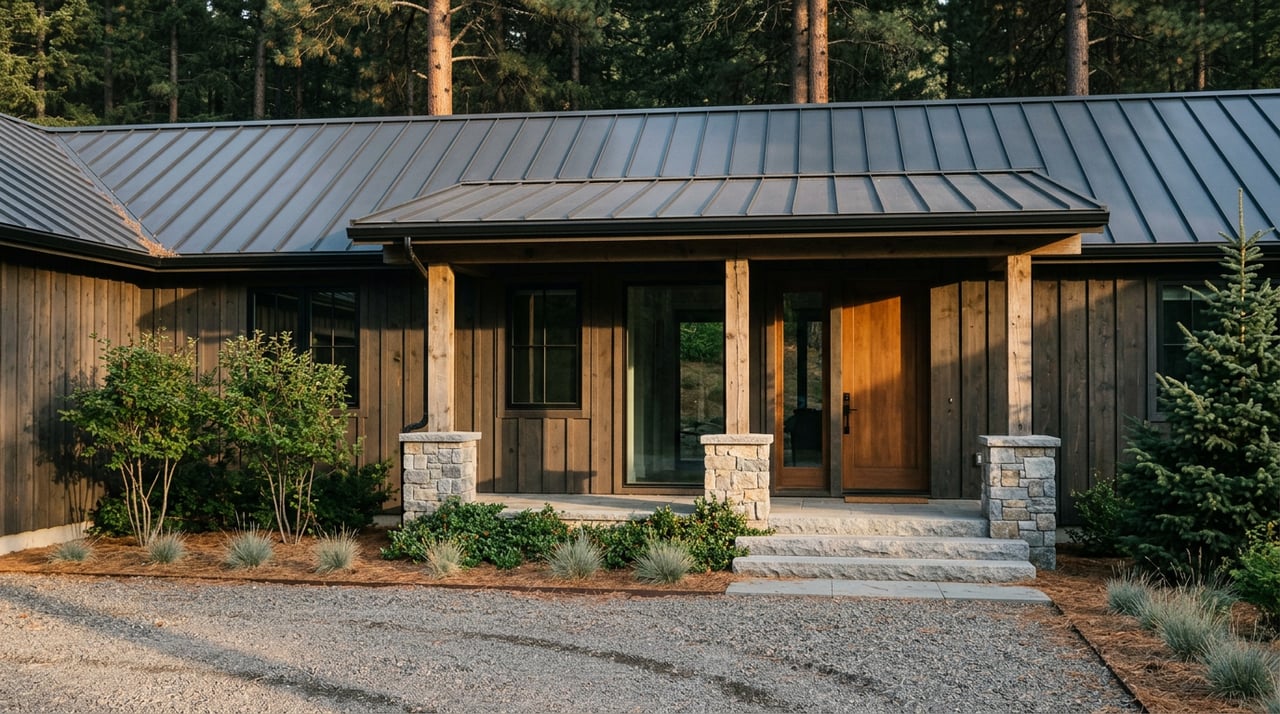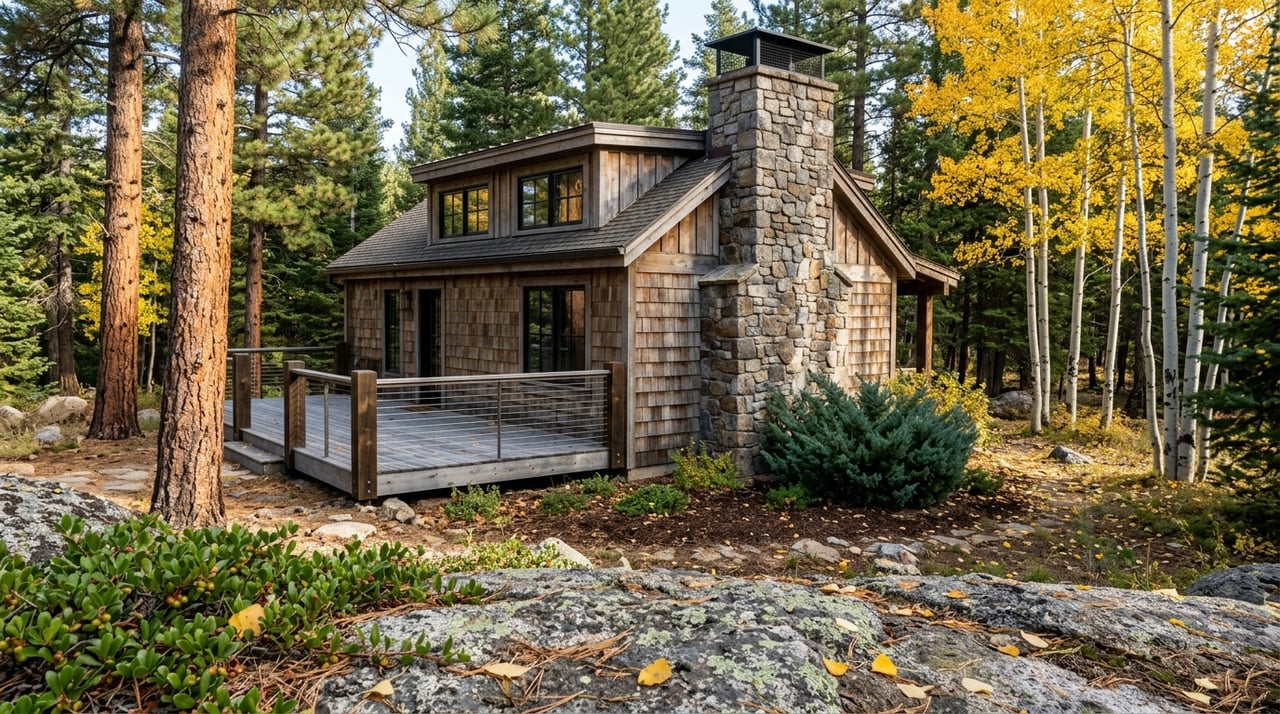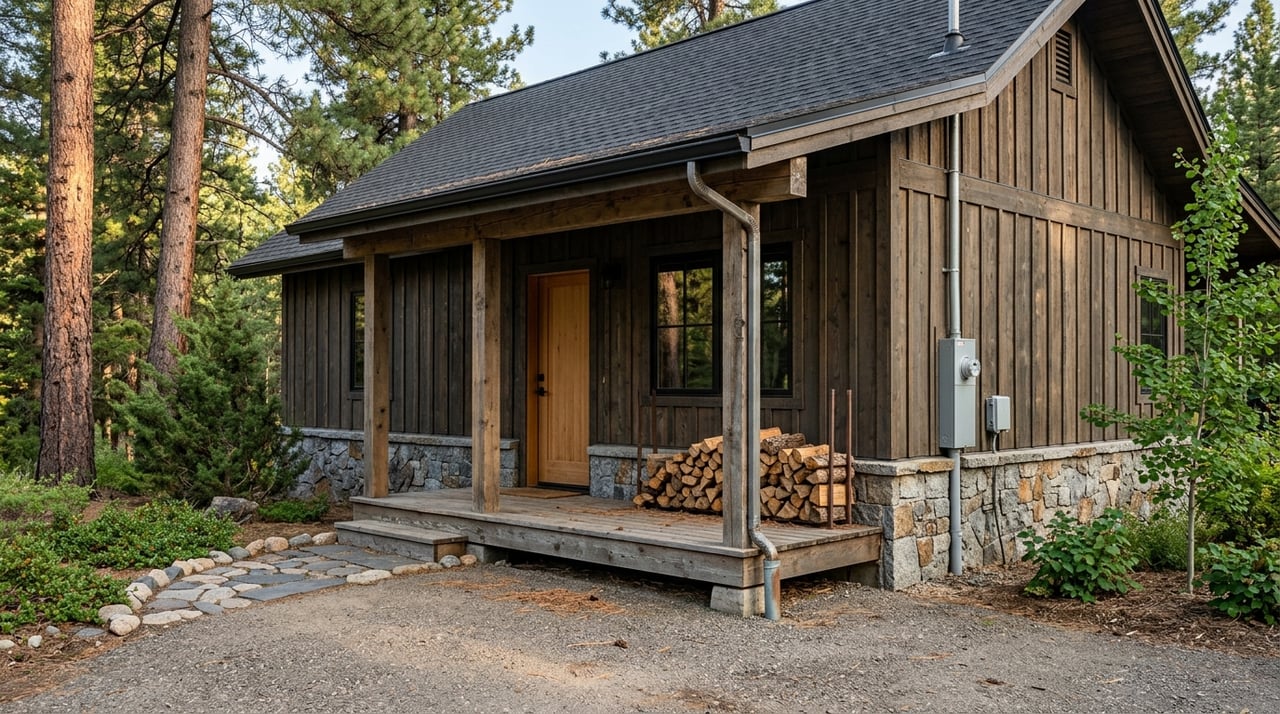
Dreaming about a cabin in the Black Hills or a piece of land where you can build your own getaway? Near Custer, that dream can be very real, but the right property is not always the one with the prettiest trees or best views. If you are considering land or cabins near Custer, you need to understand access, permits, water, septic, and year-round ownership before you make an offer. Let’s dive in.
Why Buyers Look Near Custer
Custer appeals to many recreational and second-home buyers because it sits in the middle of one of the Black Hills’ best-known recreation corridors. Custer State Park covers 71,000 acres and is open year-round, Wind Cave National Park is about 20 miles south of town, and Jewel Cave National Monument is located in Custer. Jewel Cave is also one of the longest caves in the world, with more than 220 miles of mapped and surveyed passages.
That setting gives you access to a wide range of outdoor activities and makes Custer a practical place to start your search. It also helps to think of Custer as part of a larger Black Hills area that includes places like Hill City, Keystone, Hermosa, and Rapid City rather than as a totally separate market. For buyers looking at second homes or recreational property, that broader view can help you compare lifestyle, convenience, and ownership demands.
Start With Access and Title
Before you fall in love with a parcel, look at access first. In Custer County, proof of ownership and recorded access are required before permits are issued, and the county states that no permits will be issued without verification of recorded access to the property. That makes legal access one of the most important early checks.
Access also affects how a property functions long term. Under county ordinance, private access roads may serve only one parcel unless the Board approves otherwise, and maintenance of public roads is generally the responsibility of adjacent landowners unless the county accepts it. Private roads and trails are intended for residents and service vehicles only, which matters if you are expecting easy guest traffic or broad future use.
A practical next step is to confirm how the parcel is described in public records and whether any easements, restrictions, or recorded documents affect your plans. The county planning office does not enforce covenants or deed restrictions, so it is your responsibility as a buyer to verify those items. The Register of Deeds is the county office that keeps land-transaction records.
Check Covenants Before You Plan
A beautiful lot can still come with limits. If you are thinking about building a cabin, adding another structure, parking an RV, or using the property seasonally, recorded restrictions may affect what you can do.
This is especially important for acreage buyers who want flexibility later. Custer County uses density-based subdivision categories, including low-density subdivisions at 5 acres or more, medium-density at 2 to 5 acres, and high-density at 1 to 2 acres. That matters when you want to understand how a parcel was created and whether it may support future changes.
Buildability Often Comes Down to Water and Septic
Many buyers assume land is buildable if it looks usable. In the Custer area, that assumption can create expensive surprises. Water, wastewater approval, and permit requirements often determine whether a parcel fits your timeline and budget.
In unincorporated Custer County, the county does not use a conventional building-code system, but zoning and permit review still apply. Current county guidance says an approach permit comes first, wastewater approval is required when applicable, and building permits are needed for structures over 160 square feet, including cabins and mobile or modular homes.
The county will not issue a dwelling permit without an approved septic system. You also must show a legally adequate and physically available water source. The permit process requires a percolation test, and septic work must be completed by a South Dakota-certified installer.
Understand Well Requirements Early
If the parcel does not have a public water connection, you need to understand well rules early in the process. South Dakota says a licensed well driller is normally needed, and water-right approval must come before drilling when a water-right permit is required. After a new domestic well is completed, a water sample must be submitted.
As an owner, you also take on ongoing responsibilities. The state says well owners are responsible for keeping wells sanitary and for plugging abandoned wells. That makes a well more than a one-time installation decision.
City of Custer vs. Rural County Property
One of the biggest buying decisions is whether you want property inside the City of Custer or outside city limits in unincorporated Custer County. These are not the same ownership experience. Rules, utilities, and maintenance expectations can differ in meaningful ways.
Inside the City of Custer, the city follows the 2018 International Residential Code and the 2018 International Building Code. The city also maintains water, sewer, streets, snow removal, and wastewater treatment. For some buyers, that can mean a more predictable setup for building and long-term use.
Outside city limits, county parcels often offer more privacy and direct access to the recreation lifestyle that draws people to the Black Hills. At the same time, rural ownership usually comes with more owner responsibility for roads, water, septic, weed control, fire readiness, and winter access. If you are deciding between an in-town lot and rural acreage, this is one of the most important comparisons to make.
Think About Winter Access and Seasonal Use
A cabin that feels perfect in July may be much harder to use in January. Wind Cave notes that summer weather can be severe and winter snowfall can close roads. If you plan to visit year-round, ask direct questions about snow removal, road maintenance, and how often the property is realistically usable in winter.
This is not just about convenience. It can affect emergency access, service calls, deliveries, and your own travel plans. For second-home buyers, winter access is one of the clearest differences between a property that works as expected and one that becomes difficult to enjoy.
Ownership Means Ongoing Land Care
Buying land or a cabin near Custer is not only about the purchase. It is also about what ownership looks like month after month. In Custer County, landowners are responsible for controlling noxious weeds and declared pests, so larger parcels with timber, pasture, or open space may need more attention than buyers first expect.
Fire readiness is another real ownership issue in the Black Hills. The county sheriff’s office says burn bans and restrictions are numerous and can change, and residents are directed to state wildland fire resources for current burn permits and restrictions. Inside the City of Custer, a burn permit is required for open fires unless the fire falls under an exempt category such as wood stoves, fireplaces, or grills.
Home Check Options for Some Seasonal Owners
If you are buying a second home and expect it to sit vacant for periods of time, Custer County offers a Home Check Program for some residential properties. This program generally applies only to homes within about 10 miles of downtown Custer, requires winter-maintained access, and does not apply to vacant properties, rentals, or homes for sale.
That can be helpful for some second-home owners, but it is not a substitute for property management or a broader care plan. If you will be away often, think through how the home will be monitored, maintained, and accessed during changing weather.
A Smart Buyer Checklist
Before you buy land or a cabin near Custer, make sure you can answer these questions clearly:
- Does the property have recorded legal access?
- Who maintains the road, and what is winter access like?
- Is the property inside the City of Custer or in unincorporated Custer County?
- Are there recorded covenants or deed restrictions?
- Is there an approved septic system, or can one be installed?
- What is the water source, and is it legally adequate and physically available?
- If a well is needed, what approvals and testing will apply?
- Will you need an approach permit before anything else?
- Are there weed-control, fire-readiness, or seasonal maintenance issues to plan for?
- Does the parcel’s subdivision category affect future flexibility?
Why Local Guidance Matters
In the Custer area, the details can shape the value of a property just as much as the view. Two parcels with similar acreage can offer very different ownership experiences depending on access, permitting, utilities, and seasonal use. That is why local, on-the-ground guidance matters so much when you are buying recreational property in the Black Hills.
The right support can help you compare properties more clearly, spot red flags early, and focus on the options that fit how you actually plan to use the property. Whether you want a simple cabin retreat, a second home, or land for a future build, a careful process can save you time, stress, and costly surprises.
If you are thinking about buying land or a cabin near Custer, The Kahler Team can help you evaluate your options with local insight and a full-service approach.
FAQs
What should buyers verify first when buying land near Custer?
- Buyers should verify recorded legal access first, because Custer County requires verification of recorded access before permits are issued.
What makes a parcel buildable in Custer County?
- In unincorporated Custer County, buildability often depends on access, wastewater approval, an approved septic system for a dwelling, an adequate water source, and required permits for structures over 160 square feet.
What is the difference between buying in the City of Custer and rural Custer County?
- Property inside the City of Custer has city code standards and municipal services like water, sewer, streets, snow removal, and wastewater treatment, while rural county parcels usually require more owner responsibility for utilities, access, and maintenance.
What should second-home buyers know about winter access near Custer?
- Buyers should know that winter snowfall can close roads in the area, so it is important to ask about snow removal, road maintenance, and how often the property is realistically usable during winter.
What ongoing maintenance comes with owning land near Custer?
- Landowners in Custer County are responsible for controlling noxious weeds and declared pests, and they should also plan for fire restrictions, seasonal upkeep, and property access.
What should buyers know about wells near Custer?
- If a property needs a well, South Dakota normally requires a licensed well driller, may require water-right approval before drilling, and requires a water sample after a new domestic well is completed.